At Oregon Man Clinics, we help men reclaim their vitality and strength through tailored, evidence-based treatments. Our board-certified team specializes in identifying hormone-related issues and crafting wellness programs that actually work for your lifestyle.
This blog breaks down three key distinctions between low T and thyroid problems to ensure you get the right care.
1. Hormone Function and Source
Testosterone is a sex hormone primarily produced in the testes. It’s responsible for male sexual development, muscle mass, energy, and mood stability.
Thyroid hormones, including T3 and T4, are made in the thyroid gland and regulate metabolism, energy, and overall body function.
In short, testosterone fuels masculinity, while thyroid hormones regulate your internal engine.
2. Symptoms That Set Them Apart
While there is some overlap, there are also some important distinctions between low testosterone and thyroid disorders.
Low T signs:
- Decreased libido and sexual performance
- Loss of muscle mass
- Increased body fat
- Mood swings or irritability
- Trouble concentrating
Thyroid imbalance signs (hypothyroidism):
- Feeling cold frequently
- Weight gain despite no lifestyle changes
- Dry skin and thinning hair
- Constipation
- Slower heart rate
If you’re noticing these symptoms, consult a provider trained in hormone health for proper testing.
3. Diagnosis and Treatment Approaches
At Oregon Man Clinics, we rely on lab-based testing to determine whether testosterone or thyroid hormone imbalances are the source of your symptoms. From there, solutions differ:
- Low testosterone treatment may include testosterone replacement therapy (TRT), lifestyle counseling, and regular monitoring.
- Thyroid treatment typically involves thyroid hormone replacement and ongoing blood tests to ensure balance.
We use an evidence-based approach to treat not just lab results, but the whole person. Every man’s program is personalized, focusing on sustainable options that enhance day-to-day well-being.
Get Personalized Hormone Help in Oregon
If you’re wondering whether low testosterone or a thyroid issue is behind your symptoms, Oregon Man Clinics is here. Our experienced medical team designs individualized plans that go beyond surface-level fixes.
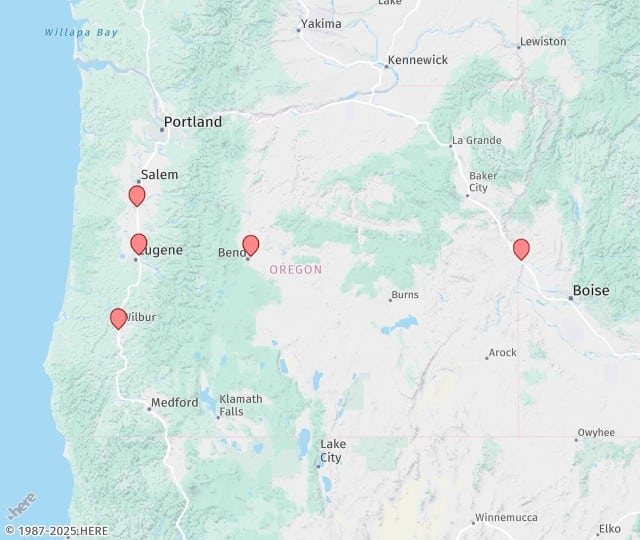
Call one of our five locations – Eugene, Bend, Albany, Ontario, or Roseburg – to schedule a consultation and start restoring your vitality.