If these issues sound familiar, you might be dealing with insulin resistance.
Insulin resistance is not just a precursor to diabetes. It’s a metabolic roadblock that impacts many aspects of men’s wellness, especially body composition and energy levels.
At Oregon Man Clinics (OMC), our team of healthcare providers has experience navigating this and other hormone-related problems. Learn more about the effects of insulin resistance and how to manage it below.
What Is Insulin Resistance?
Insulin is a hormone that helps your body use or store blood sugar. When your cells become resistant to insulin, your body has to produce more of it to get the same effect. This overproduction can lead to fat storage, cravings, and major energy dips.
In men, insulin resistance can show up as:
- Stubborn weight gain, especially around the midsection
- Low energy and frequent fatigue
- Brain fog or difficulty concentrating
- Elevated blood sugar or borderline A1C levels
These symptoms often go misdiagnosed or brushed off as normal aging — but they don’t have to be.
Why Men Are at Risk
Men naturally store more visceral fat (the fat around organs), which is more metabolically active and more likely to contribute to insulin resistance. Hormonal shifts with age, poor sleep, stress, and low testosterone levels can also worsen insulin sensitivity.
Many of our patients at Oregon Man Clinics find that insulin resistance is a hidden factor holding them back from losing weight and regaining their energy.
What You Can Do About It
Managing insulin resistance doesn’t have to be complicated. A few proven strategies include:
- Getting enough high-quality sleep
- Focusing on a low-glycemic, high-protein diet
- Incorporating strength training and regular movement
- Addressing other hormone imbalances, like low testosterone
At OMC, we tailor treatment to your needs with a holistic approach that includes lab testing, hormone optimization, and realistic lifestyle changes.
Get Answers and Feel Better
You don’t have to keep guessing why you feel stuck. With advanced diagnostics and personalized care, Oregon Man Clinics helps men uncover and address the root causes of their symptoms.
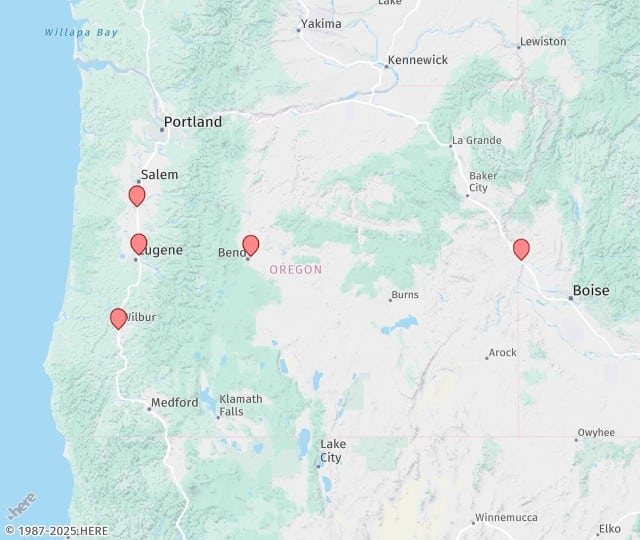
Contact OMC today to schedule a consultation with our team. With five locations throughout Oregon – Eugene/Springfield, Bend, Albany, Ontario, and Roseburg – we’re here to help you start feeling your best.